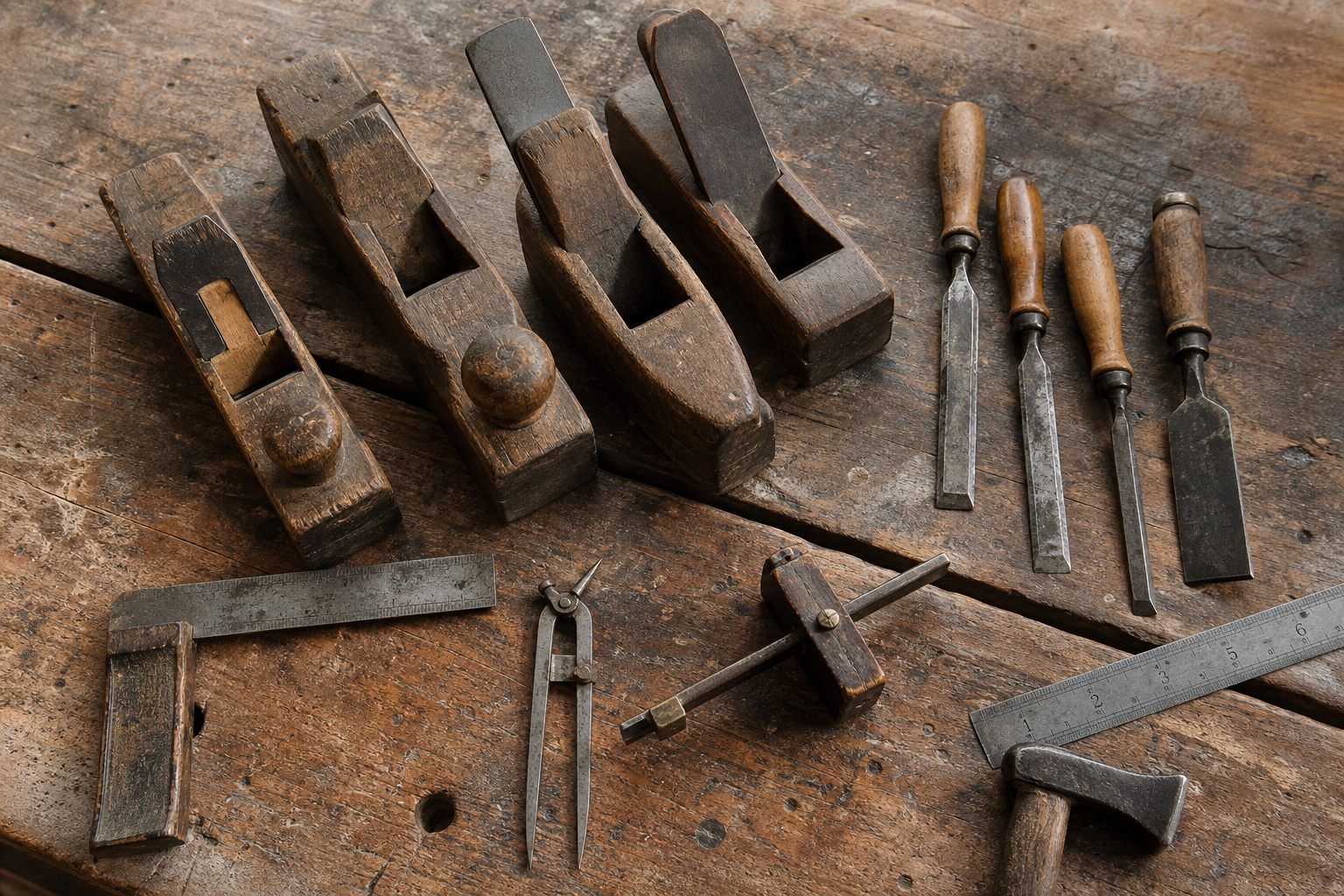
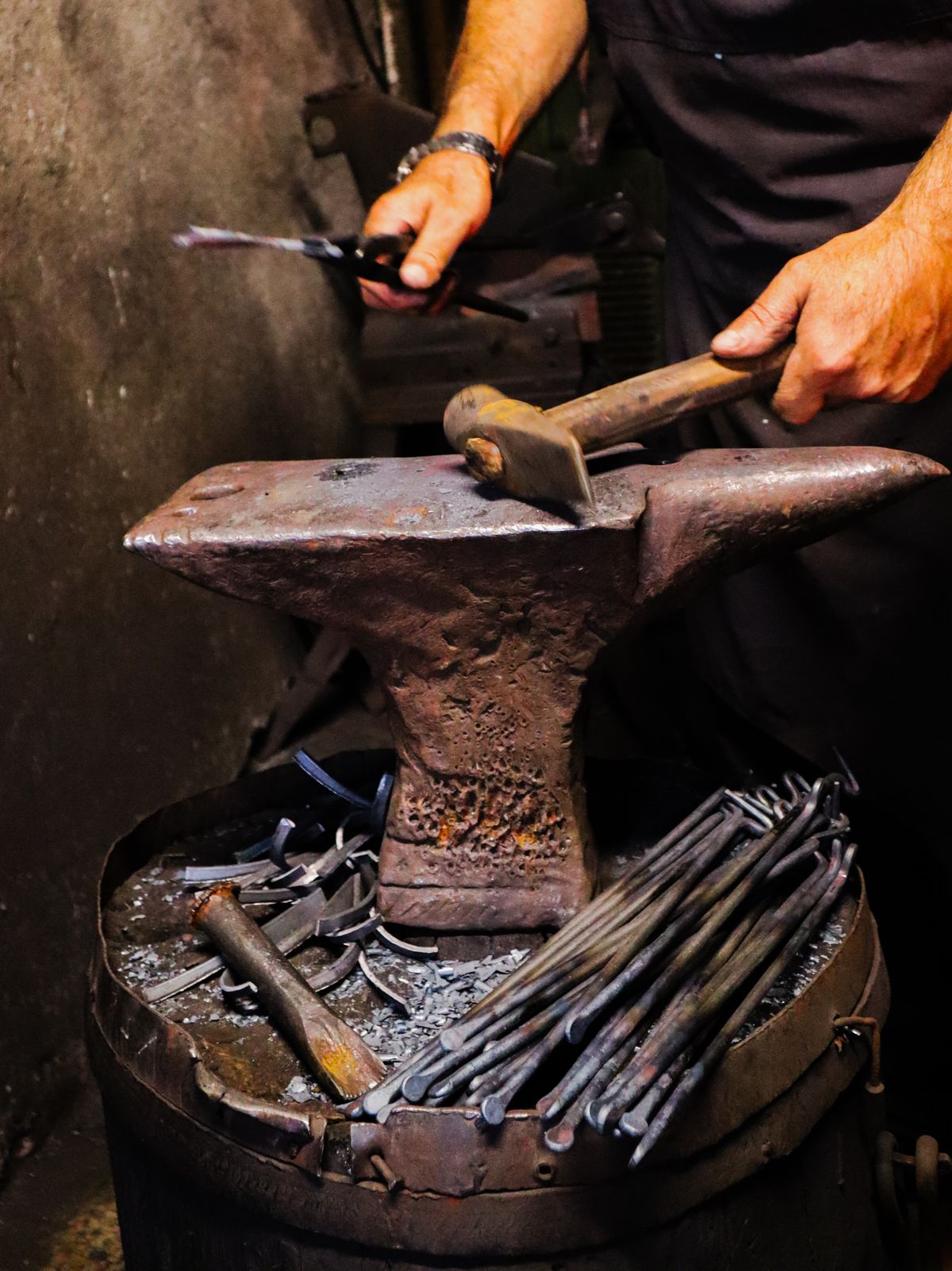
The most common reason people give for not starting a craft is space. They are picturing a barn with north light and a wall of tools, and since they don't have it, they wait. The waiting can last years. Meanwhile, a great deal of excellent work has always been made in spare rooms, on balconies, at kitchen tables cleared after dinner.
A first workshop is not defined by size. It is defined by a few practical conditions that, once met, let you actually work.
The three things a space really needs
Light, first. Good light — ideally daylight, supplemented by a bright, honest lamp — is non-negotiable, because most mistakes are mistakes you couldn't see. Position your bench where the light falls across the work, not behind you casting shadows.
A stable surface, second. Whatever you make, you need something solid that does not wobble, at a height that doesn't wreck your back. A wobbling table is the enemy of clean work. If you do one thing well, make it this.
Somewhere to put things down, third. The hidden killer of small spaces is having nowhere to set a tool or a part mid-task, so the surface silts up and the work stops. A shelf, a pegboard, a few labelled tins — modest storage transforms a cramped corner into a usable shop.
“The dream studio is the enemy of the first project. Set up the corner you have and start making in it this week.”
Work with the constraints
Small spaces reward a few habits. Go vertical: walls and the backs of doors are storage you already own. Make things mobile: a bench on lockable castors, or a folding top, lets a balcony or shared room switch between craft space and ordinary life. And contain the mess honestly — a craft that throws dust or fumes needs ventilation and a way to clean up fast, or it will quietly become unwelcome where you live.
Start before it's perfect
The workshop you have will never look like the ones online, and that is fine; those took years and money to assemble. Set up the corner, get the light and the bench right, put up one shelf, and begin. The space will tell you what it needs as you use it. A workshop, like a skill, is built one earned addition at a time.