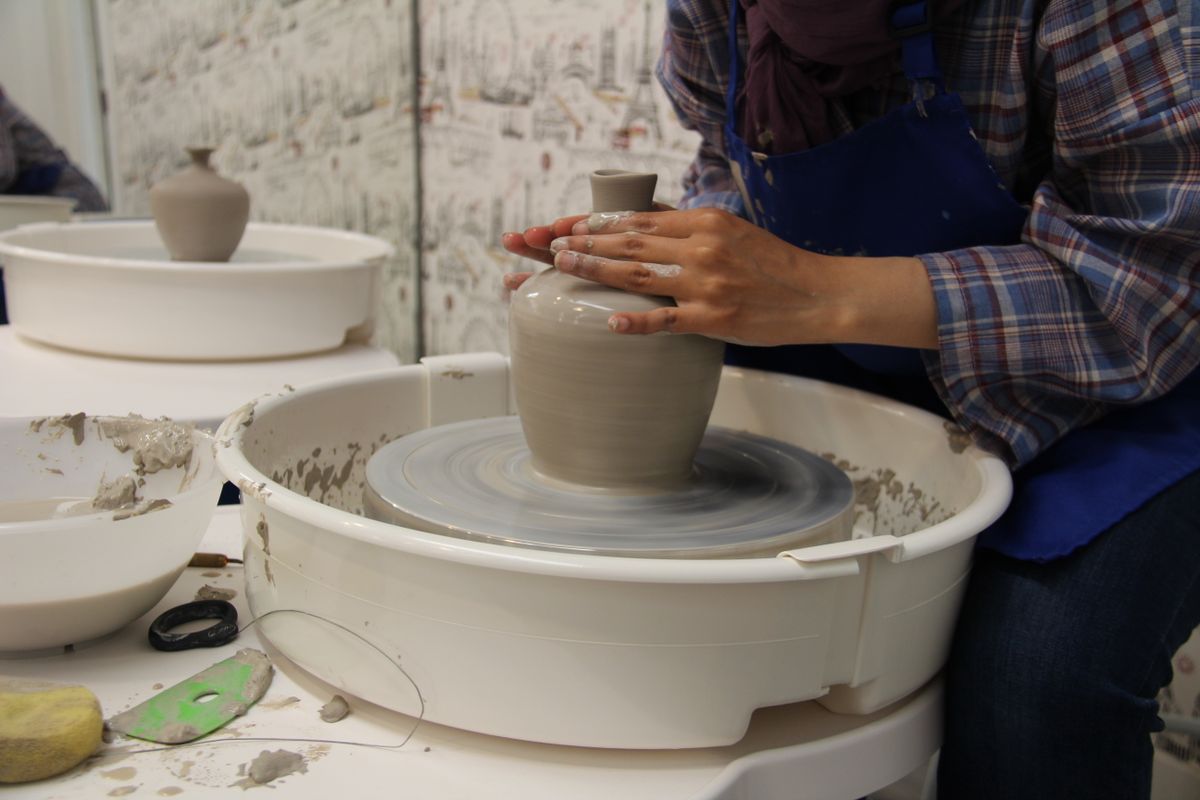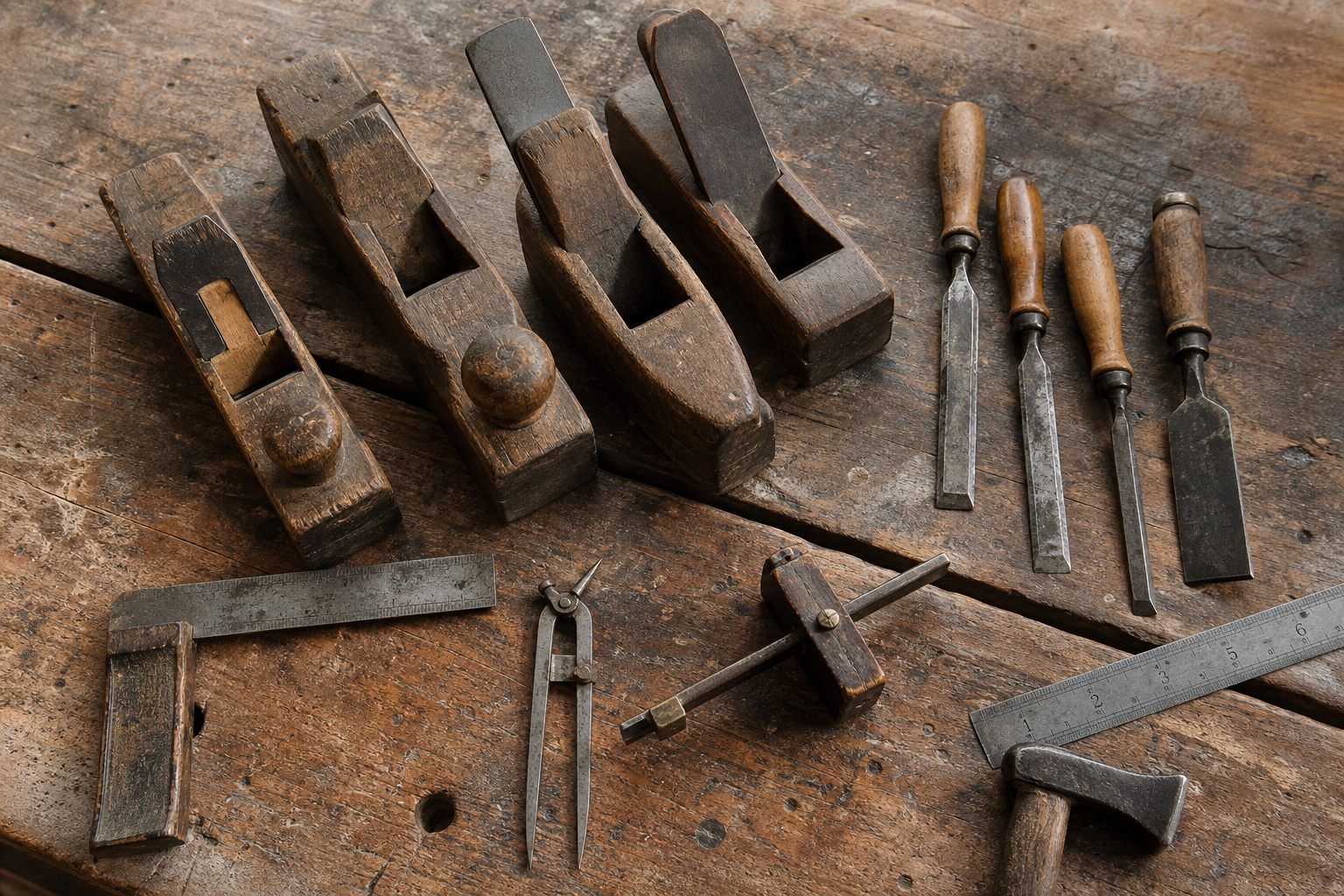
There is a photo every maker eventually shows you, usually with a wince: their first piece. The lopsided bowl. The wobbly box with gaps you could post a letter through. The scarf that started one width and finished another. It is almost a rite of passage, and it is also almost always the same set of mistakes, repeated by nearly everyone who picks up a new craft.
Which is good news. If the failures are predictable, they are fixable. The trouble is that beginners tend to read a rough first attempt as a verdict on their talent, when it is really just a report on their inexperience. Those are very different things.
The three failures behind most first projects
Almost every beginner project goes wrong in one of three ways. The first is rushing the boring part. Preparation — measuring, marking, sanding, wedging clay, ironing fabric — is unglamorous, and beginners skip it to get to the satisfying part. Nearly every visible flaw traces back to a step that was hurried at the start.
The second is fighting the material instead of working with it. Wood has grain. Clay has memory. Fabric has bias. Each behaves a certain way, and the beginner's instinct is to force it. The material always wins that argument.
The third is chasing a finished object instead of a skill. A first project attempted as a precious heirloom carries too much weight. The piece becomes a test you can fail, rather than a rep you can learn from.
“You are not making a bowl. You are making the hands that will make the bowl. The bowl is a side effect.”
The reframe that fixes it
The single most useful shift is to stop calling the first attempt "the project" and start calling it "the sample." Professionals make samples constantly — a test joint, a glaze tile, a swatch — precisely so the real piece benefits from a rehearsal. When you expect to make three rough versions before a good one, the rough versions stop feeling like failure and start feeling like the plan.
Concretely: pick a project small enough to finish in one sitting. Make it three times in a row. Do not fix the same mistake twice without slowing down at exactly that step. By the third attempt, your hands will have quietly absorbed something your brain could not have explained.
Keep the wonky one
Hang on to that first piece. Not to punish yourself — to measure by. In six months you will look at it and be unable to believe how far the distance is between then and now. The gap is the whole point. The wonky bowl is not evidence you can't do this. It is the starting line, in physical form.