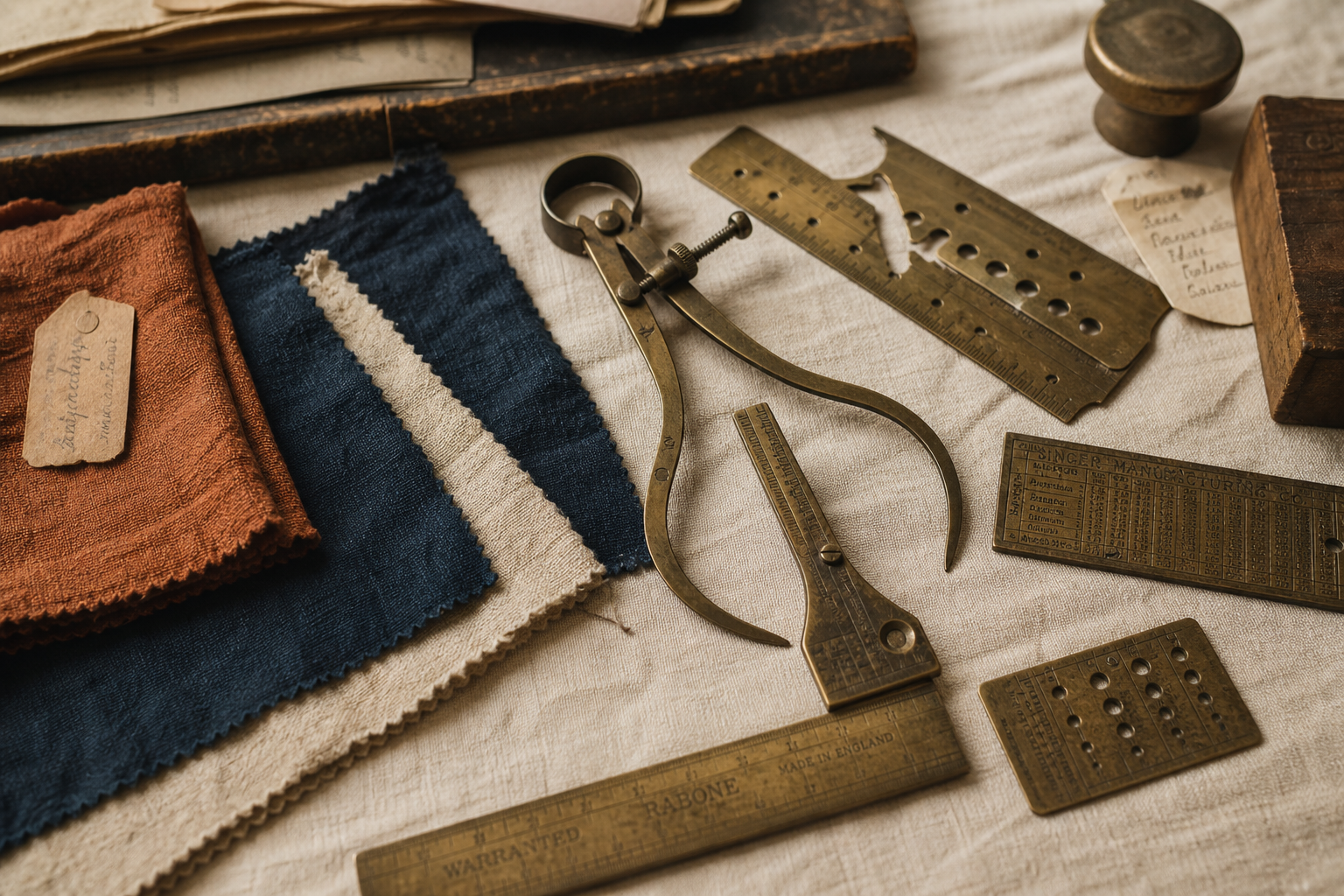
There is a particular feeling that keeps people coming back to flea markets at unreasonable hours: the suspicion that the unremarkable brass thing in the bottom of a crate is worth a great deal more than its handwritten price. Sometimes it is. Usually it isn't. Learning to tell the difference, quickly and without self-deception, is the whole game.
The good news is that value in old objects follows patterns. You do not need to be an expert in everything; you need a short checklist you can run through while the seller watches and your heart races.
What actually drives value
Four things, mostly. Maker: a named, respected maker's mark can multiply a price many times over, which is why the first thing collectors do is look for a stamp. Material: solid brass, silver, or good hardwood outlives the pot-metal and plywood around it. Condition: original surface and working order beat a shiny restoration almost every time. And scarcity: the object has to be something people actually want, not merely something that is old. Plenty of old things are simply old.
Notice what is not on that list: your feeling that it ought to be valuable. The market is unsentimental, and so should you be when you're appraising.
“Age is common. Wanting is rare. Value lives where the two meet.”
The five-minute appraisal
Run this before you haggle. Turn it over and look for marks, stamps, signatures, hallmarks. Test the material with a magnet and your fingernail — brass and silver feel and sound different from plated tin. Check the working parts move as they should. Look hard at whether any repair or polish has been done, and whether it helped or hurt. Then, and only then, decide what it's worth to you — which is not always what it's worth to the market.
Buy the thing, not the fantasy
The collectors who do well over time share a discipline: they buy objects they would be happy to keep even if the dream valuation never materialises. If the brass tool is lovely in the hand and useful on the bench, five pounds is well spent whatever an auction house would say. And on the rare day the maker's mark turns out to matter, you will have bought a small piece of someone's history for the price of a coffee. That is the real prize, and it is more common than the jackpot.