Set a perfectly uniform, machine-made bowl beside a slightly lopsided handmade one, and ask people which they would keep. More often than you'd expect, they choose the wonky one. They can't always say why. The Japanese aesthetic of wabi-sabi has an answer: the imperfect, the worn and the visibly handmade carry a kind of beauty the flawless object cannot.
What wabi-sabi actually means
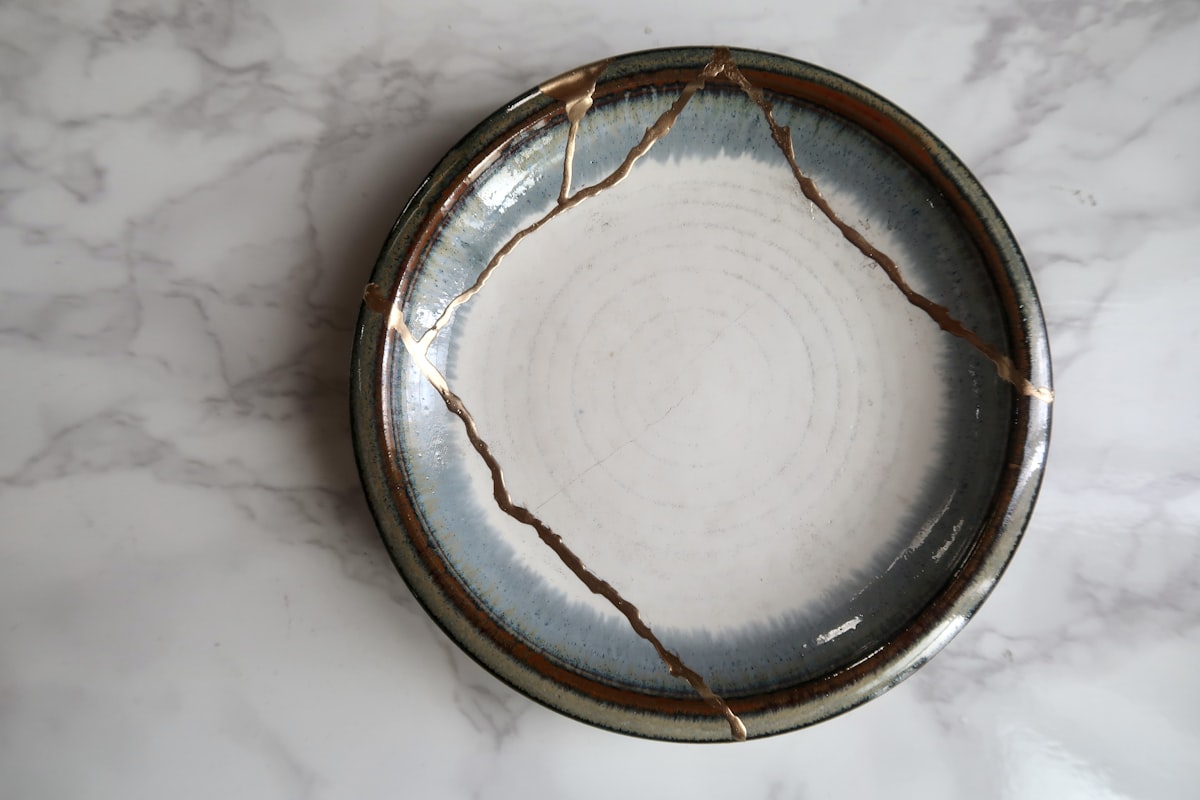
Wabi-sabi resists tidy translation, but it gathers up several linked ideas: an appreciation of imperfection and asymmetry, of age and wear, of simplicity and the marks of natural process and time. A cracked glaze, an uneven rim, the patina on old wood, the fade on a well-loved cloth — these are not failures of the object but evidence of its life. Where a factory aesthetic prizes the identical and the new, wabi-sabi prizes the particular and the aged.
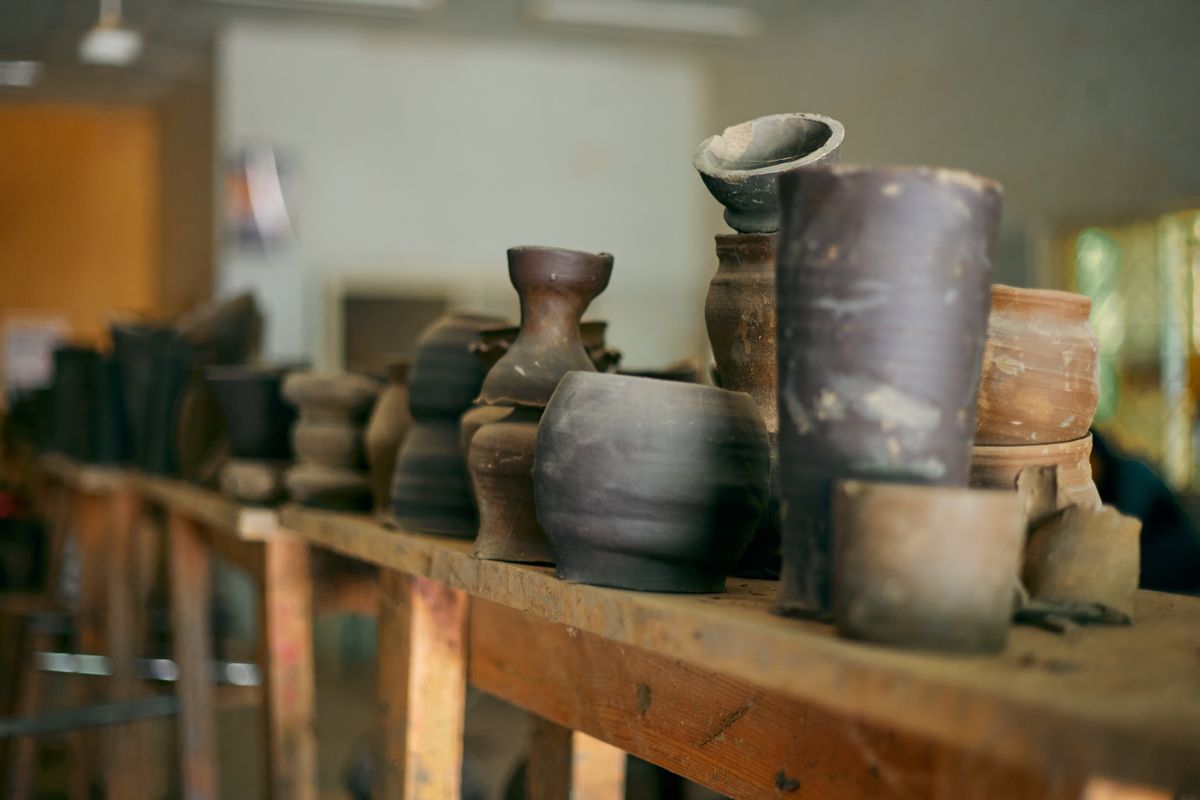
Crucially, it is not an excuse for sloppiness. The lopsided bowl still has to be made with care and intention. The difference is that the small irregularities left by a human hand are welcomed rather than sanded out of existence.
“A handmade thing should look handmade. The evidence of the maker is not a defect to hide — it is the reason to choose it.”
Why this matters for beginners
For anyone learning a craft, wabi-sabi is quietly liberating. The great paralysis of the beginner is the gap between the perfect object imagined and the rough one the hands produce. If perfection is the only acceptable result, every early piece is a failure and most people quit. If the goal is instead an honest, careful, handmade thing — irregularities and all — then the early work is not a failure at all. It is exactly what it should be.
This is also why so many people find making things by hand restful in an age of screens and infinite polish. There is relief in producing something physical, imperfect and entirely your own.
Living with it
You can practise the idea before you ever make anything: notice the objects around you that have earned their marks — the worn handle, the mended seam, the cup whose glaze pooled unevenly — and let yourself prefer them. Then carry that permission to your own bench. Make the thing carefully. Leave the evidence of your hand in it. That evidence, in the end, is the part worth keeping.